
Creatine Benefits for Strength Training, Muscle Growth, and Performance
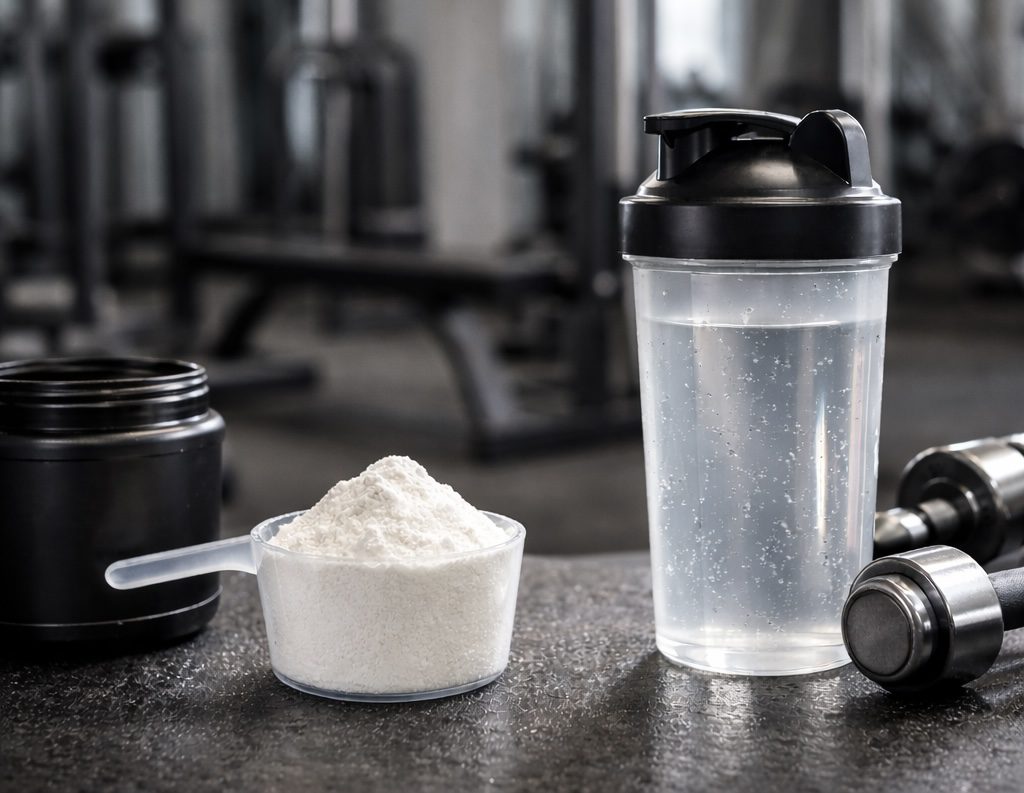
Creatine is one of the most researched and trusted supplements in the fitness world. If your goal is to get stronger, build muscle, or improve workout performance, creatine can be a helpful addition to your routine.
At Bodyfit Coaching, we believe supplements should support good training and nutrition—not replace them. This guide explains what creatine does, how it works, and how to use it safely for the best results.
What Is Creatine and How Does It Work in the Body?
Creatine is a natural compound found in your muscles. Your body also gets small amounts of creatine from foods like red meat and fish.
Its main job is to help your muscles produce quick energy during short, intense activities—like lifting weights, sprinting, or high-intensity training.
When you take creatine consistently, your muscles store more energy. This can help you train harder and recover better over time.
Top Benefits of Creatine for Strength Training and Performance
Creatine doesn’t work like a stimulant or fat burner. Instead, it supports your performance during training, which leads to better results.
Increased Strength and Power
Creatine helps your muscles produce energy faster. This can allow you to lift heavier weights or complete more reps during strength workouts.
Over time, this added training output can lead to noticeable strength gains.
Supports Muscle Growth
Creatine doesn’t build muscle on its own. However, it helps you train harder and recover more efficiently. That extra effort in the gym creates a stronger muscle-building stimulus.
Consistent training + creatine = better muscle growth potential.
Improved Workout Performance
Creatine is especially helpful for:
- Weightlifting
- Resistance training
- Circuits and interval training
- Short, high-intensity workouts
It allows you to maintain performance across multiple sets instead of fading early.
Can Creatine Support Fat Loss Without Losing Muscle?
Creatine is not a fat-loss supplement, but it can still be useful if weight loss is your goal.
When dieting, many people lose strength and muscle. Creatine helps you:
- Maintain strength while in a calorie deficit
- Train harder during fat-loss phases
- Preserve lean muscle mass
Keeping muscle helps support long-term metabolism and better body composition.
How to Take Creatine for Best Results (Dosage, Timing, Type)
Keeping it simple works best.
Best Type of Creatine
Creatine monohydrate is the most effective and well-studied form. It’s affordable, safe, and proven to work.
Recommended Dosage
- Take 3–5 grams per day
- No loading phase is required
Consistency matters more than timing.
When to Take It
You can take creatine:
- Before your workout
- After your workout
- Anytime during the day
Choose a time you’ll remember and stick with it.
Hydration Tips
Drink plenty of water throughout the day. This helps reduce the chance of stomach discomfort and supports muscle performance.
Creatine Myths vs Facts
Myth: Women Should Avoid Creatine
Fact: Creatine is safe and effective for women.
Women can benefit from improved strength, muscle tone, and workout performance. Creatine does not cause bulky muscle gain unless paired with heavy training and excess calories.
Myth: Creatine Causes Dehydration or Muscle Cramps
Fact: Creatine does not cause dehydration when you drink enough water.
Studies show creatine does not increase cramping or dehydration risk. Staying hydrated is important with or without creatine, especially during intense training.
Myth: You Must Load Creatine to See Results
Fact: A loading phase is optional.
While loading can saturate muscles faster, it’s not required. Taking 3–5 grams per day consistently works just as well over time and is easier on digestion for many people.
Myth: Creatine Causes Fat Gain
Fact: Creatine does not increase body fat.
Some people notice a small increase in scale weight when starting creatine. This is due to increased water stored in muscles—not fat gain. Creatine does not add calories or cause fat storage.
Myth: Creatine Is a Steroid
Fact: Creatine is not a steroid.
Creatine is a naturally occurring compound found in your muscles and in foods like red meat and fish. It helps your body produce energy during short, intense workouts. Steroids are synthetic hormones that affect testosterone levels—creatine does not.
Is Creatine Safe?
Yes. Creatine is one of the most researched supplements available and is considered safe for healthy adults when used as directed.
That said, you should speak with a healthcare professional before using creatine if you:
- Have kidney disease
- Are pregnant or breastfeeding
- Take medications that affect kidney function
For most people, creatine is well-tolerated and safe for long-term use.
How Bodyfit Coaching Uses Creatine in Strength Programs
At Bodyfit Coaching, we focus on results that come from smart training, proper nutrition, and consistency.
Creatine can be a useful tool—but it works best when paired with:
- Structured strength training
- Proper recovery
- Balanced nutrition
- Personalized coaching
We help clients decide if creatine fits their goals and lifestyle, rather than recommending supplements blindly.
Is Creatine Worth It for Strength Training? Final Takeaway
Creatine is a proven, safe, and effective supplement for improving strength, muscle growth, and workout performance.
It’s not a shortcut—but when combined with consistent training, it can help you get more out of every workout.
If you want help building a strength plan that actually works for your body and goals, we’re here to help.
Train Smarter With a Personalized Strength Plan
Book a free consultation with Bodyfit Coaching and learn how to optimize your training, nutrition, and supplementation for long-term results.